


Life is traumatic. You’re not getting out of this place without a little bit of pain. Forward helix piercing healing is going to take time, patience, and a little bit of care. If you can do those three things, you can successfully heal anything.
This article shares the journey of getting a forward helix piercing with a professional piercer. If you have experienced hypertrophic scarring from previous cartilage piercings, you might feel hesitant but excited to learn proper aftercare. This article offers valuable insights for anyone considering a forward helix or other cartilage piercing.
Why Choose a Forward Helix Piercing
Piercings offer flexibility that tattoos don’t. You can take them out. You can switch the jewelry. You can let them heal back if you don’t like them. For those seeking something less permanent but still stylish, cartilage piercings are an excellent choice.
For nursing students and healthcare professionals, jewelry restrictions can be a concern. Many schools allow only one piercing in each ear, though this often depends on the instructor. During clinical rotations, you’ll see nurses wearing multiple piercings and tattoos. Once you reach the actual job, flexibility typically increases.
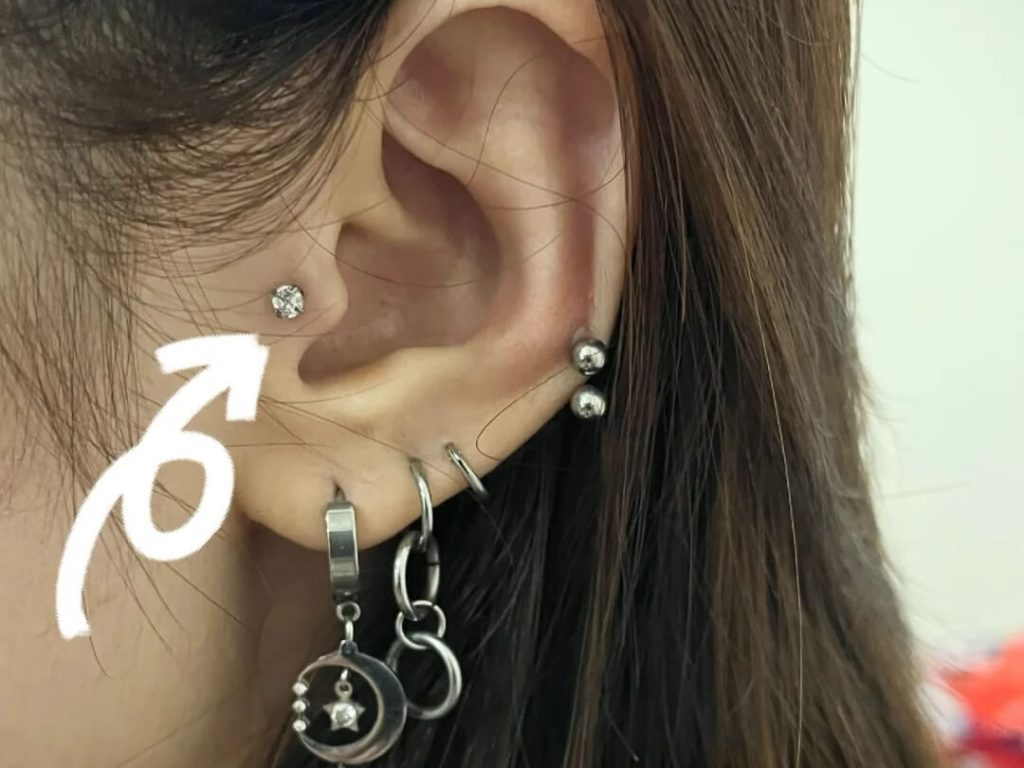
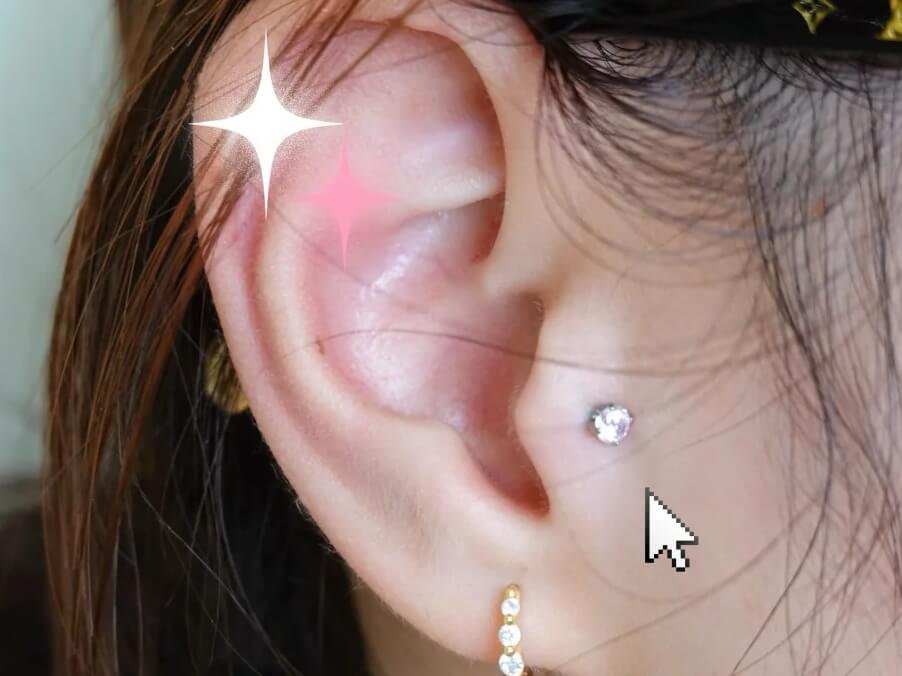
The forward helix piercing offers a subtle yet distinctive look. It sits in the front cartilage area of the upper ear. This placement is perfect for someone who wants flexibility with their piercings and doesn’t want something super loud and obvious.
Why Do Cartilage Piercings Take Longer to Heal
The reason why cartilage piercings are notoriously difficult to heal is because the cartilage is very dense.
Your friends and family who’ve been pierced multiple times probably talk about how hard it is to heal a cartilage piercing. The tissue density means slower healing compared to soft tissue piercings like earlobes.
Low piercings can take a lot more punishment. Cartilage doesn’t like it. Cartilage piercings do not like to be messed with at all.
How Painful Is a Forward Helix Piercing
The forward helix piercing pain level is generally manageable. Many people find the actual piercing doesn’t hurt as much as they anticipated. The forward helix involves a little bit more pain than a standard helix piercing on the outer cartilage area, but the discomfort is brief.
The initial piercing sensation is sharp but quick. Most of the healing discomfort comes from accidentally bumping or snagging the jewelry during the healing process.
Helix vs Forward Helix Piercing
The difference between a forward helix and a typical helix piercing on the outer cartilage area comes down to placement and style. The forward helix sits at the front of the upper ear cartilage. The standard helix piercing goes through the outer rim.
The forward helix has a little bit more of a cool factor. It’s slightly more unique and less common than the standard helix. Forward helix piercing healing also tends to be a bit more challenging due to its location.
Common Forward Helix Piercing Healing Challenges
Hypertrophic Scarring vs Keloids
Nine times out of ten, what people think is a keloid is actually hypertrophic scarring. Hypertrophic scarring is where your body overproduces collagen and creates a bubble around the jewelry and the piercing. This appears as a small bump near the piercing site.
The difference between keloid vs hypertrophic scarring piercing is significant. A keloid is a rage scar that extends beyond the original wound. True keloids are relatively rare with professional needle piercings.
Common Causes of Helix Piercing Scarring
Hypertrophic scarring is usually caused by:
- Allergic reaction or sensitivity to the jewelry
- Improper angle of the piercing
- Constant trauma from touching, bumping, or sleeping on the piercing
- You just can’t leave it alone
Something like a gun that’s more traumatic can cause a keloid. Piercing guns create more tissue damage than professional needles. Some people who keloid from gun piercings may not have issues with properly done needle piercings.
When scarring appears, many people panic and remove the jewelry. However, understanding the cause is crucial. Often the solution is switching to hypoallergenic materials or simply leaving the piercing alone.
Infection vs Allergy: Know the Difference
During forward helix piercing healing, people often misdiagnose infection vs allergy. They think it’s an infection when it’s actually just a nickel allergy or sensitivity to the metal. An actual infection involves significant redness, heat, swelling, and discharge. An allergic reaction typically presents as irritation, minor swelling, and discomfort.
Best Jewelry for Forward Helix Piercing Healing
The only materials you should use for fresh forward helix piercings healing are titanium, platinum, or gold. These are the safest options for healing.
The best jewelry for forward helix piercing healing is implant-grade titanium or 14K or 18K gold.
Mixing metals can create a stylish look once healed. Yellow gold and white gold combinations work beautifully. A double little diamond piece can add subtle sparkle without being too obvious.
Forward Helix Piercing Process
Piercing Technique and Tools
The forward helix piercing technique I use is a little bit different than most piercers. I use a couple of different tools, and the process takes a little longer. It’s just the way I feel comfortable piercing this area.
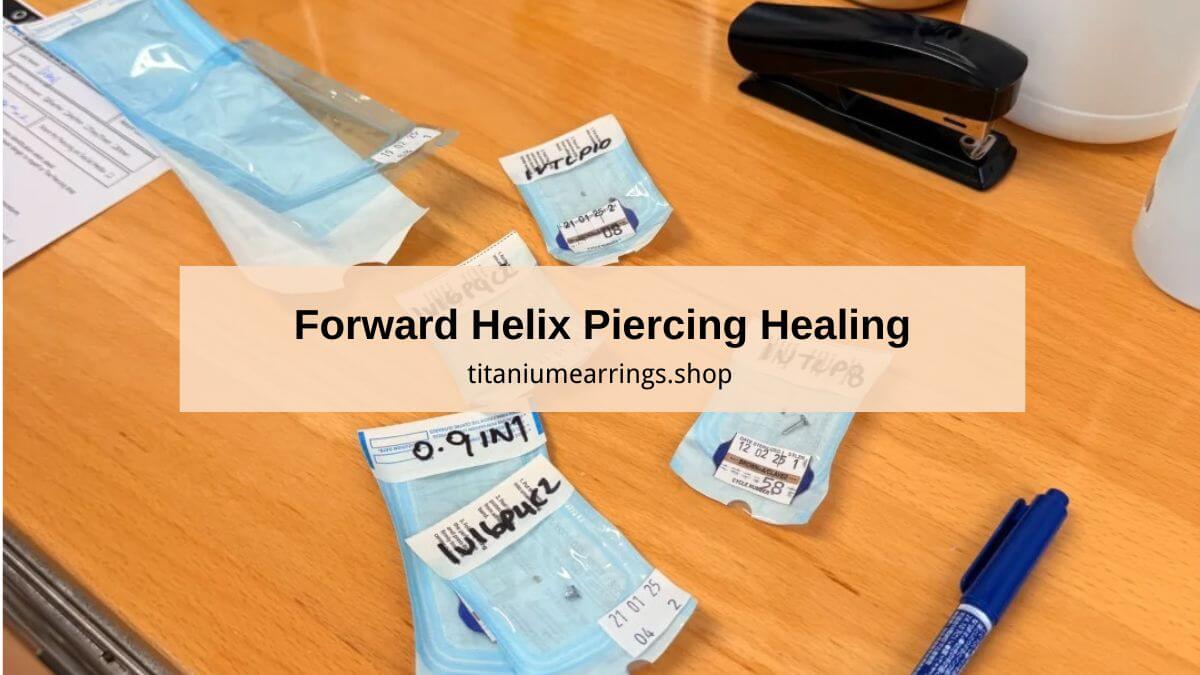
First, the area is cleaned with an alcohol swab. Then an anti-microbial cleanser is applied. Two different cleansers ensure the area is completely sterile. After cleaning and drying, a toothpick with gentian violet marks the exact piercing location.
The actual piercing uses a specialized tool that pierces directly into the forward helix. You’ll see a long, skinny rod-type thing that looks like a needle but isn’t. It’s called a taper. The taper backs the needle out and acts as a placeholder, holding the piercing open.
Forward Helix Piercing Initial Jewelry
Jewelry selection: labret back and materials
The base of the jewelry is a labret back cartilage piercing style. It’s a little post with a flat back. That’s what keeps the jewelry in, and that’s what heals in your body. The flat back sits flush against the back of your ear.
Small hemostats hold onto the post while the decorative end is attached. The front can be a diamond, gemstone, or decorative piece. This jewelry style is secure and comfortable for healing.
How to Clean a Forward Helix Piercing
Proper aftercare is the most important part of forward helix piercing healing. Surprisingly, doing less is actually better for your piercing.
Use a gentle cleanser with tea tree oil, like Dr. Bronner’s soap. Put a little bit in your hand and just gently move the bubbles around the piercing. The bubbles and suds are doing the work. You don’t need to aggressively get in there and clean it.
Clean the piercing gently twice daily. Morning and night routines work well for most people. The key is consistency without over-cleaning.
Quick Forward Helix Healing Tips
To successfully heal your forward helix piercing:
- Don’t sleep on the pierced ear. Use a piercing pillow if needed to keep pressure off
- Don’t play with the jewelry. It’s not a toy
- Keep your hands off. Your hands are covered in bacteria – at any given time, you have about 50 strains of bacteria on your hands
- Don’t touch your forward helix piercing. That’s how you get an infection
- Be patient. Cartilage healing takes several months
- Avoid snagging the jewelry on clothing, hairbrushes, or towels
- Stay consistent with gentle cleaning twice daily
The forward helix piercing offers a distinctive, stylish look with flexibility. While forward helix piercing healing requires patience and proper care, following professional aftercare advice makes the process manageable. With the right jewelry materials and gentle cleaning routine, you can successfully heal your forward helix piercing and enjoy beautiful jewelry for years to come.